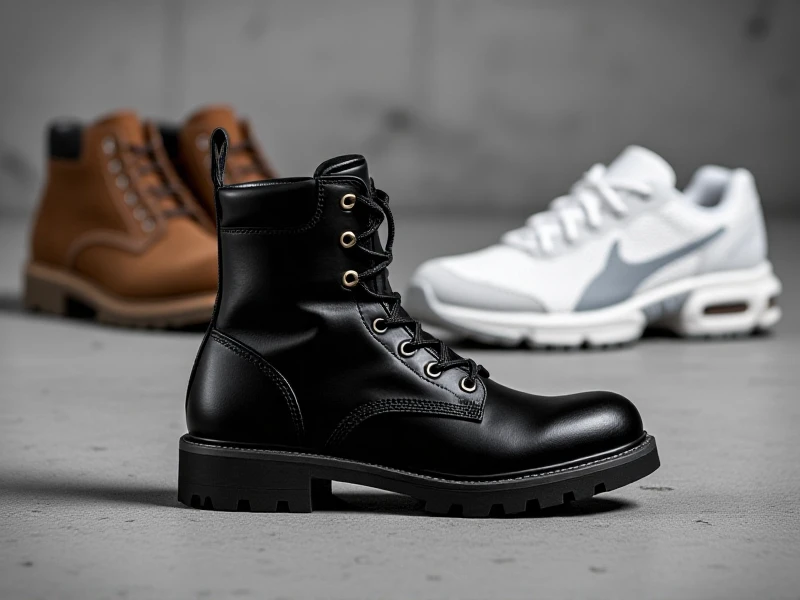
The #1 Guide to Finding Your Perfect Pair of Work Shoes: Safety Meets Comfort
Finding the right work shoes isn't just about style; it's a crucial investment in your safety, comfort, and productivity for the long haul. Whether you're on your feet all day battling slippery floors, navigating construction sites, or tackling heavy loads in a warehouse, the wrong footwear can lead to fatigue, pain, and increased risk of injury. That's why understanding what makes truly great work shoes is essential.
Why Your Job Demands Proper Work Shoes
Think of your work shoes as essential personal protective equipment (PPE). They are your first line of defense against countless hazards. High-quality work shoes provide essential features:
- Slip Resistance: Non-marking soles with specialized tread patterns dramatically reduce your risk of falls on greasy, wet, or oily surfaces. Look for ratings like EH (Electrical Hazard) or SRA/SRC for slip resistance standards.
- Support & Stability: Hours on your feet require excellent arch support and cushioning. Work shoes with supportive midsoles, firm heels, and ergonomic designs combat fatigue and prevent foot, knee, and back pain.
- Impact Protection: Safety toes (steel, composite, or aluminum) shield your toes from falling objects or compression accidents, a fundamental requirement in many industrial settings.
- Durability: Your work shoes endure tough conditions. Quality materials like full-grain leather or abrasion-resistant synthetics ensure they withstand daily wear and tear without falling apart quickly.
- Comfort: Safety features shouldn't mean discomfort. Modern work shoes incorporate breathable linings, moisture-wicking technology, and plush insoles designed for all-day wear.
Key Features to Prioritize When Choosing Work Shoes
Don't just grab any shoe labeling itself for work. Consider your specific job's demands:
- Job Hazards: Are slips, electrical hazards, sharp objects, heavy impacts, or extreme temperatures your primary concerns? Match the safety toe type (if needed) and the shoe's ratings (EH, Slip-Resistant, Puncture Resistant) to your environment.
- Duty Level: Light duty office/retail differs vastly from heavy-duty construction or manufacturing. Assess the intensity of movement, weight carried, and surface types encountered. Sturdier construction and higher safety features are needed for more demanding environments.
- Foot Type & Comfort Needs: Do you have high arches, wide feet, or need extra cushioning? Prioritize work shoes offering various widths, adjustable closures (like lace-up or side zips), removable insoles for orthotics, and advanced cushioning systems.
- Material Matters: Leather is classic for durability and breathability. Modern synthetic materials often excel in water resistance, breathability, and lighter weight. Waterproof or water-resistant options keep feet dry in outdoor or wet conditions.
- Fit is Paramount: Always try on work shoes in the afternoon when feet are naturally slightly swollen. Wear the same type of socks you plan to use at work. There should be a thumb's width of space beyond your longest toe, and your heel should be snug but not slip. Walk around to ensure no pinch points.
Finding Your Ideal Fit
Trying before buying is ideal. Visit stores specializing in work shoes where knowledgeable staff can advise. If buying online, check sizing guides meticulously and understand return policies. Pay close attention to the break-in period mentioned in reviews – well-designed work shoes should feel supportive from day one, even if they become even more comfortable with a brief wear-in.
Investing in the right pair of work shoes elevates your safety shield and ensures you can focus on the job without foot pain slowing you down. Your feet – and your body – truly deserve it. Stop compromising and find work shoes designed to support your workday, every day. You work hard; your footwear should too.