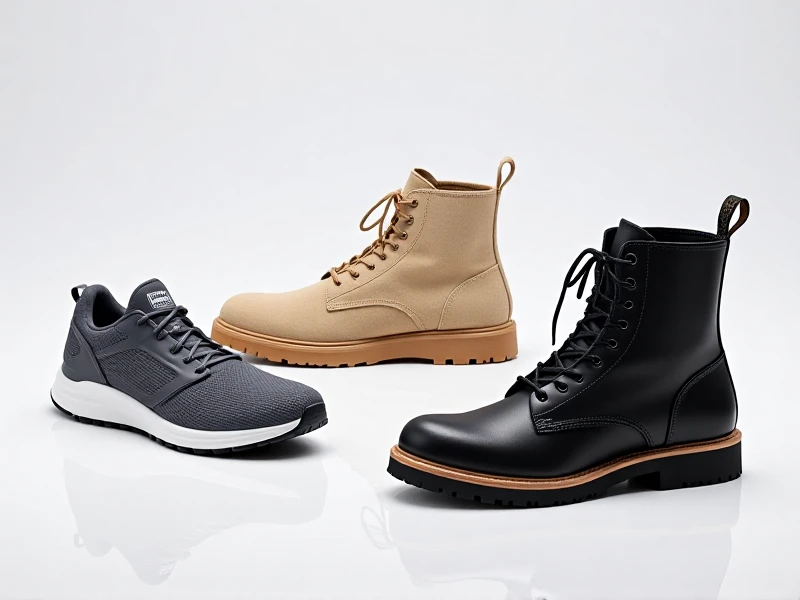
Choosing the Best Work Shoes: Safety & Comfort Guaranteed
Finding the perfect pair of work shoes is essential for your safety, comfort, and productivity on the job. You spend countless hours on your feet; the right footwear makes a tangible difference. Choosing wisely prevents injuries, reduces fatigue, and ensures you can focus entirely on your tasks. So, what makes exceptional work shoes stand out?
Safety Always Comes First The primary role of any work shoe is protection. Look for industry-specific safety certifications. Shoes meeting ASTM F2413 standards offer reliable impact and compression protection for your toes. Industries like construction, manufacturing, or warehousing often mandate this. Slip resistance is another critical factor. High-traction outsoles, especially those rated SATRA TM144 or offering reliable performance on oily/wet surfaces, drastically reduce slip-and-fall accidents. Features like electrical hazard protection or puncture-resistant midsoles might be vital, depending on your work environment.
Long-Lasting Comfort is Non-Negotiable Even the safest work shoe is ineffective if unbearable after an hour. Cushioning is paramount. Look for ample midsole cushioning using quality materials like EVA or specialized polyurethane designed for all-day impact absorption. Support matters: arch support aligns your feet and ankles, preventing strains, while a stable heel counter enhances stability. Don't overlook breathability. Uppers made with premium leather or mesh panels keep feet cooler and drier, minimizing discomfort and conditions like blisters over long shifts. Wider toe boxes allow natural toe splay, enhancing overall comfort.
Opting for Durability Consider work shoes as an investment in safety and performance. Pay attention to:
- Upper Material: Full-grain leather provides superior durability and water resistance compared to cheaper synthetic alternatives.
- Outsole Composition: Rubber compounds like Vibram® or polyurethane (PU) are known for longevity and wear resistance on various terrains.
- Construction Quality: Features like Goodyear welt or cement construction contribute significantly to the overall lifespan and repairability of the shoes.
Matching Your Specific Role The ideal work shoes vary drastically by profession:
- Construction/Trades: Prioritize robust toe protection (steel, composite), puncture resistance, exceptional slip resistance across wet/uneven ground, and waterproofing/cut-resistant materials.
- Healthcare/Hospitality: Focus on lightweight comfort, premium slip resistance (especially for greasy kitchen floors), spill resistance, and easy cleaning. Clogs are popular.
- Logistics/Warehousing: Emphasize all-day cushioning, effective arch support, slip resistance for concrete floors, and durability to withstand constant walking/pushing.
- Security/Public Service: Often require polished dress codes alongside essential safety features like puncture resistance and reliable grip.
The Final Step: Try Them On! Never underestimate the value of a proper fitting. Sizes vary significantly between brands and models. Visit a reputable workwear retailer where trained staff can measure your feet accurately. Wear the type of socks you use at work and walk around. Ensure no pinching, sufficient toe room, and immediate comfort across the arch and heel. Your feet will thank you throughout the day.
Investing time in finding the right work shoes pays huge dividends in safety, comfort, and reduced fatigue. Protect your feet and experience the difference that purpose-built footwear makes throughout your demanding workday.