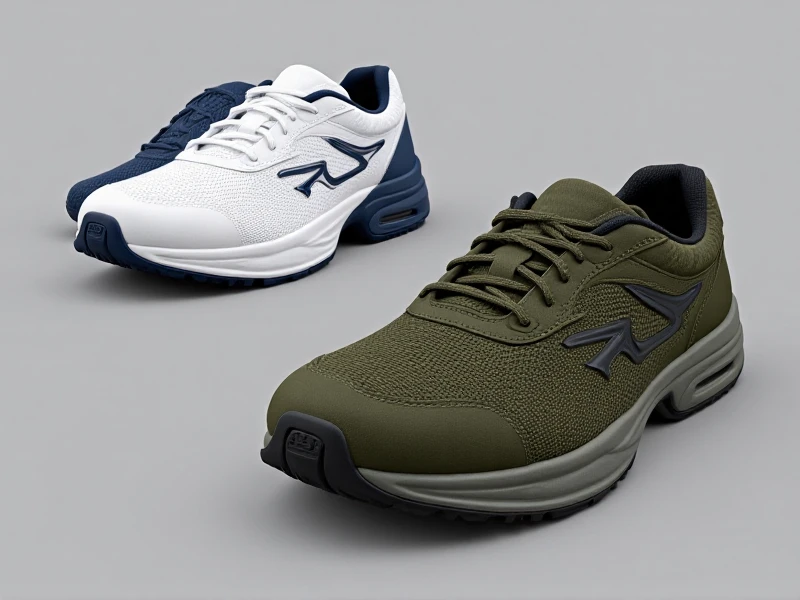
Find Your Perfect Pair: The Ultimate Guide to Comfortable and Durable Work Shoes
Finding the right work shoes is more than just picking something to throw on in the morning. It’s an investment in your comfort, safety, and performance throughout demanding hours on your feet. Ill-fitting or poorly constructed work shoes can lead to significant foot pain, fatigue, increased risk of workplace injury, and reduced productivity. Whether you work construction, healthcare, hospitality, or spend hours in a warehouse or factory, choosing footwear designed for your specific duty is crucial. This guide breaks down the essentials for selecting the perfect pair.
Safety and Protection: The Non-Negotiables
The primary purpose of many work shoes is protection. Job sites often present hazards like falling objects, sharp debris, electrical risks, or slippery surfaces. Key safety features depend on your work environment:
- Safety Toes (Steel, Composite, Alloy): Mandatory where heavy objects are present, offering crucial toe protection against impact and compression (meeting ASTM or international safety standards like ISO).
- Puncture-Resistant Midsoles: A vital layer embedded within the sole to shield against sharp objects piercing through from below.
- Slip-Resistant Outsoles: Specialized tread patterns and rubber compounds provide much-needed grip on wet, oily, or greasy surfaces – a fundamental requirement in kitchens, hospitals, and many industrial settings. Look for certifications like SATRA TM144 or ASTM F2913.
- Electrical Hazard (EH) Protection: Designed to reduce the risk of electrical shock by blocking circuits through the footwear, crucial for electricians and related trades.
- Metatarsal Guards: Additional protection shielding the upper foot bones, often found with boots designed for high-impact industrial settings.
Conquer Fatigue: Prioritizing All-Day Comfort
Beyond safety, work shoes must deliver exceptional comfort. Standing or walking for long durations demands supportive features to combat fatigue, aches, and long-term foot problems:
- Supportive Cushioning: Quality midsoles (like EVA, polyurethane, or proprietary technologies – think Timberland PRO’s Anti-Fatigue or Rockport’s TruTrek) provide essential shock absorption and energy return.
- Ergonomic Footbeds: Removable insoles with built-in arch support and contoured heel cups help align the foot properly and reduce pressure points. Memory foam options are popular for instant comfort.
- Breathable Materials: Leather (full-grain, nubuck) and advanced mesh fabrics help keep feet dry and cool, reducing discomfort and potential issues like blisters. Look for moisture-wicking linings.
- Proper Fit: Probably the most critical element! Ensure there’s ample room to wiggle toes (about a thumb's width at the end), the heel is secure without slippage, and the width accommodates the ball of your foot comfortably. Always try on work shoes with the socks you'll wear on shift and walk around.
Finding the Type for Your Task
Work shoes come in various styles:
- Work Boots: The classic choice, offering high-top ankle support and maximum protection, ideal for construction, heavy industry, and outdoor work.
- Work Sneakers/Lace-Ups: Merge athletic comfort and style with essential work safety features. Excellent for active jobs requiring agility like technicians, factory workers, and warehouse staff.
- Slip-Ons: Provide convenience for easy on/off, popular in healthcare, food service, and light-duty tasks; many now incorporate safety elements like non-slip soles.
- Work Oxfords/Derbies: Offer a more polished, traditional look while still providing safety features (often composite toe or EH rated), suited for supervisors, light industrial, or roles needing a smarter appearance without compromising protection.
Material Matters for Longevity
Durable materials are a hallmark of quality work shoes:
- Leather: Excellent durability, water resistance, and develops a protective patina. Full-grain is the toughest.
- Synthetic Materials (Cordura, Nylon): Often lighter weight, breathable, flexible, and quick-drying. Great for sneaker styles.
- Waterproof Options: Membranes like Gore-Tex or proprietary waterproof treatments (e.g., Timberland Dry) are essential for outdoor or wet conditions.
Invest in Your Foundation
Don't settle for footwear that compromises your well-being. Quality work shoes are an investment that directly impacts how you feel and perform each day. By understanding the essential features – safety, comfort, the right style, and durable construction – you can confidently find the work shoes that protect you, support you, and keep you moving confidently through your demanding workday. Your feet will thank you, shift after shift. Take the time to research brands known for durability and comfort in your industry, and try multiple options to find your perfect fit. After all, the foundation of a hard day’s work starts with your feet.
FAQ Section:
- What makes work shoes different from regular shoes? Work shoes incorporate safety features (like safety toes, slip resistance), enhanced durability to withstand worksite conditions, and specialized comfort technologies designed for prolonged standing.
- How often should I replace my work shoes? Typically every 6-12 months, depending on how much wear they endure. Watch for worn-down treads, compressed cushioning, broken-down support, damaged toe caps, or upper tears indicating it's time for a new pair.
- Do I need safety toes? Check your employer's safety requirements and the hazards present in your specific work environment. Some jobs mandate them, while others might not require that level of protection. When in doubt, consult your safety manager or employer guidelines.
- What's more important, safety or comfort? It's not an "either/or." Top-notch work shoes integrate both. Ignoring safety risks injury, while ignoring comfort leads to pain and long-term issues. Prioritize the necessary safety features for your job, and within that selection, find the pair offering the best comfort.